



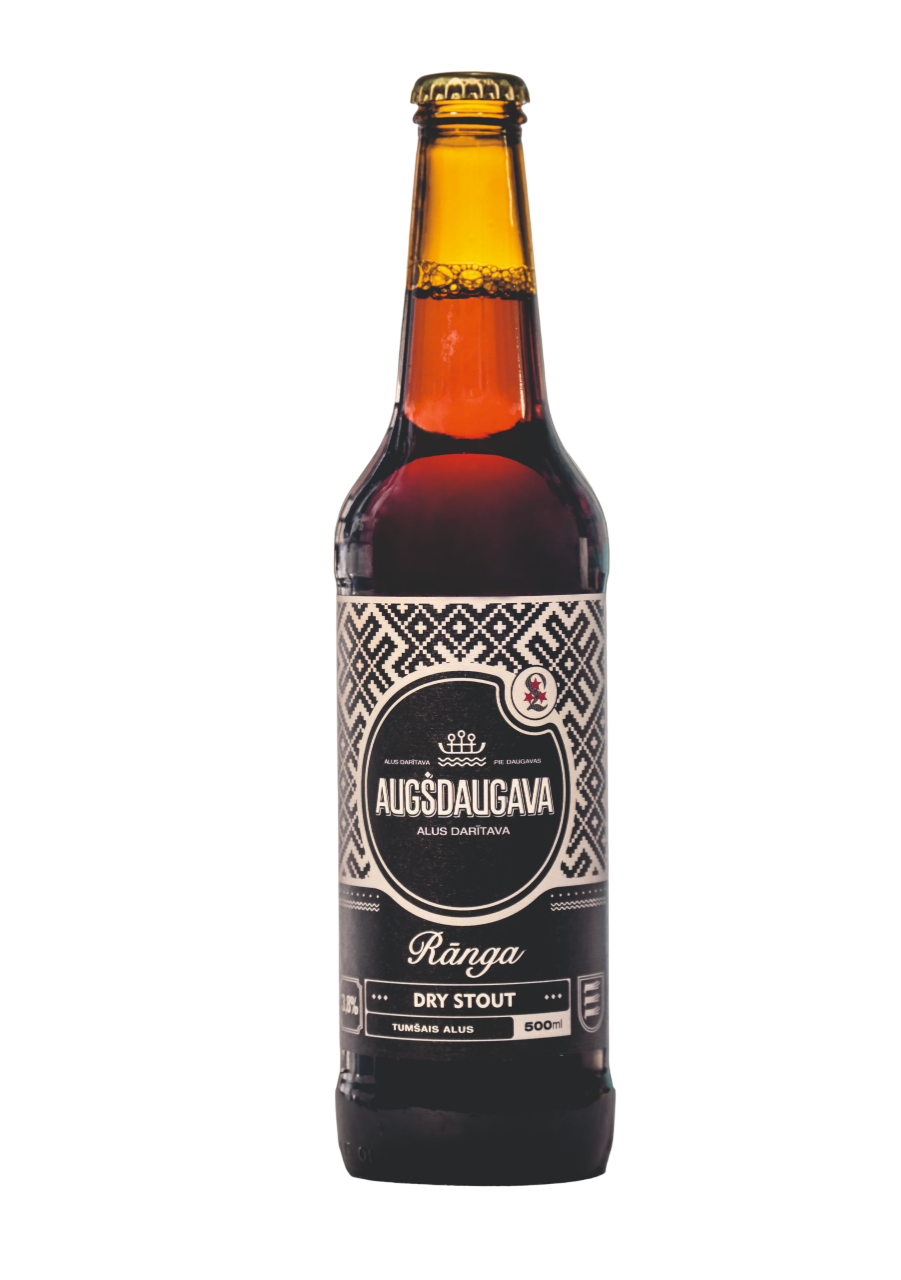
Rānga - Dry Ale
A very dark, roasted, velvety black ale with a low alcohol content, no noticeable hop bitterness, but with a pronounced roasted finish, thanks to the combination of three different roasted malts. Historically, it was developed as an attempt to replicate the success of London Porter, initially offering a fuller, velvetier, and denser flavor profile. If a brewery offered both stout and porter, the restaurant historically always offered the stronger brew (originally called "stout porter"). Modern versions have a lower initial gravity and are no longer as strong as porter.
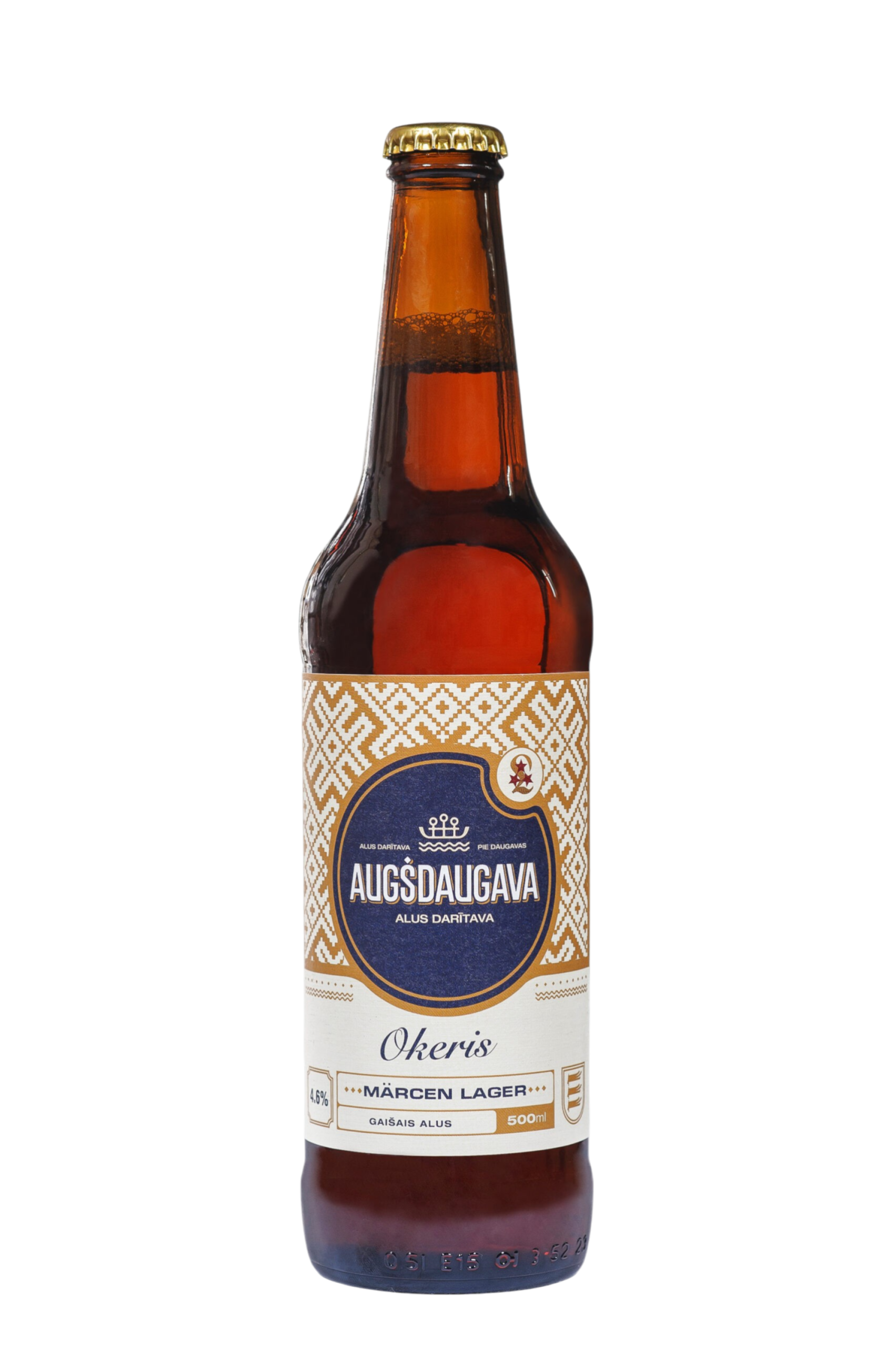
Okeris
Beer, like music, is influenced by fashion trends, but some historic varieties, like the famous German Märzenbier, stand out from the fast-changing fashion landscape, as their authentic flavor and long-standing brewing traditions attract a loyal and satisfied following. This filtered, bottom-fermented beer is brewed with three types of malt: base, Pilsner, and Munich malt, as well as a special Mela beechwood malt, which imparts a rich chestnut hue and a unique flavor palette. Brewed with three German hop varieties—Magnum, Tettnanger, and Spalter Select—which impart depth and richness to the aroma, Okeris Märzenbier is more than just a beer; it is the embodiment of proven German brewing traditions that continue to delight connoisseurs of authentic taste.
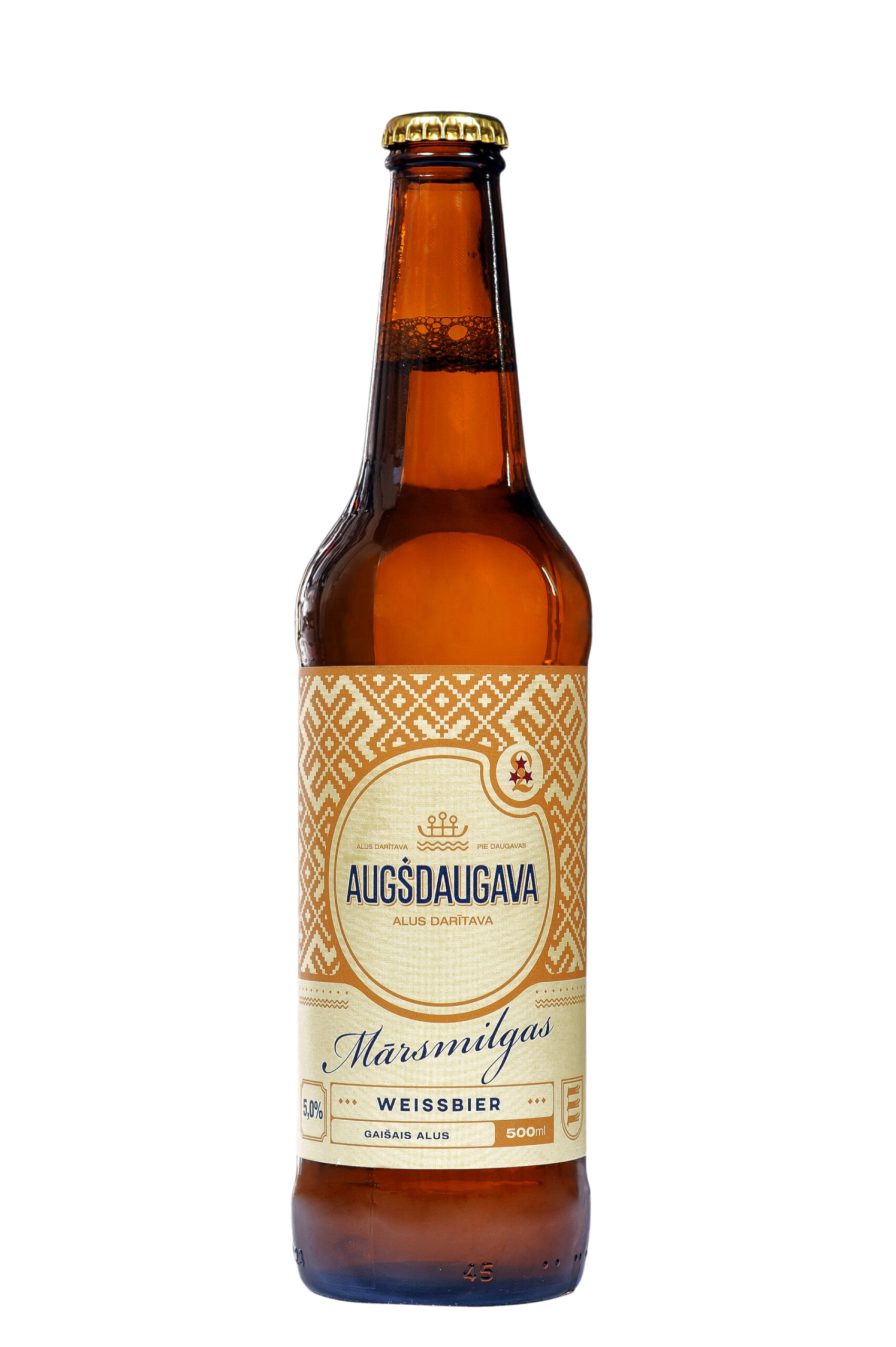
Mārsmilgas
Wheat beer originated in Germany and Belgium, where it was developed in the 16th and 17th centuries. Prior to this, Germany had produced only barley malt beer for centuries. However, in the 16th century, Bavarian brewers began using wheat malt instead of barley, or both. This change was driven by a barley shortage in some regions of Germany, while wheat was much more readily available. Mārsmilgas Weissebier is an unfiltered, top-fermented beer fermented with a special yeast strain suitable for wheat beer. Wheat malt accounts for 65% of the beer's mass during the brewing process. The hop flavor and bitterness are virtually imperceptible; the emphasis is on the light notes of banana and clove that this yeast strain creates when it comes into contact with the wheat malt during brewing.
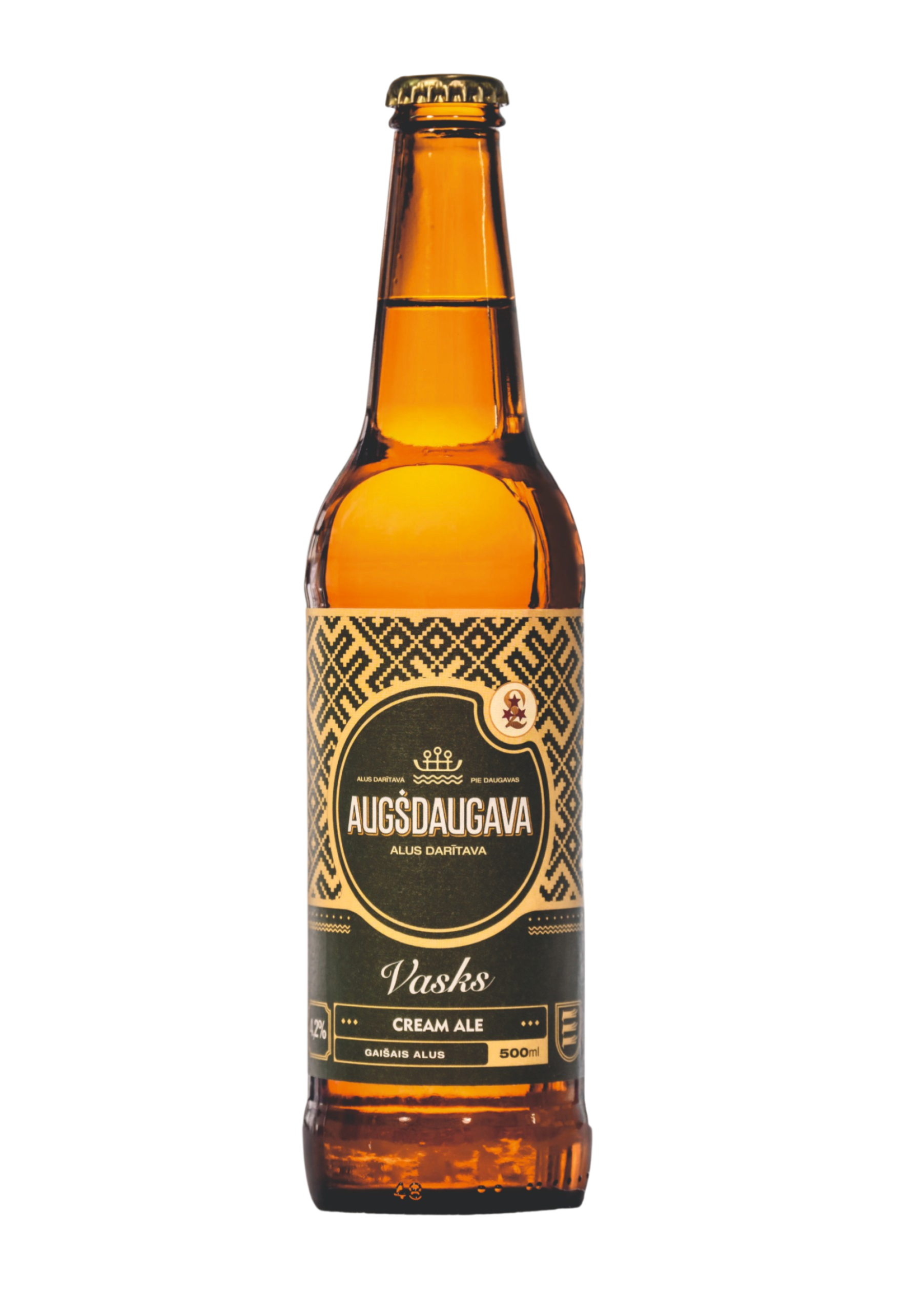
Vasks - Cream Ale
A pale, filtered, golden-colored ale, a variety of American pale lager. Historically brewed using top fermentation to compete with lagers in the US, it was originally known as sparkling ale or day ale. A pleasant, refreshing beer with a slightly bitter taste and the subtle aroma of American Cristal hops.
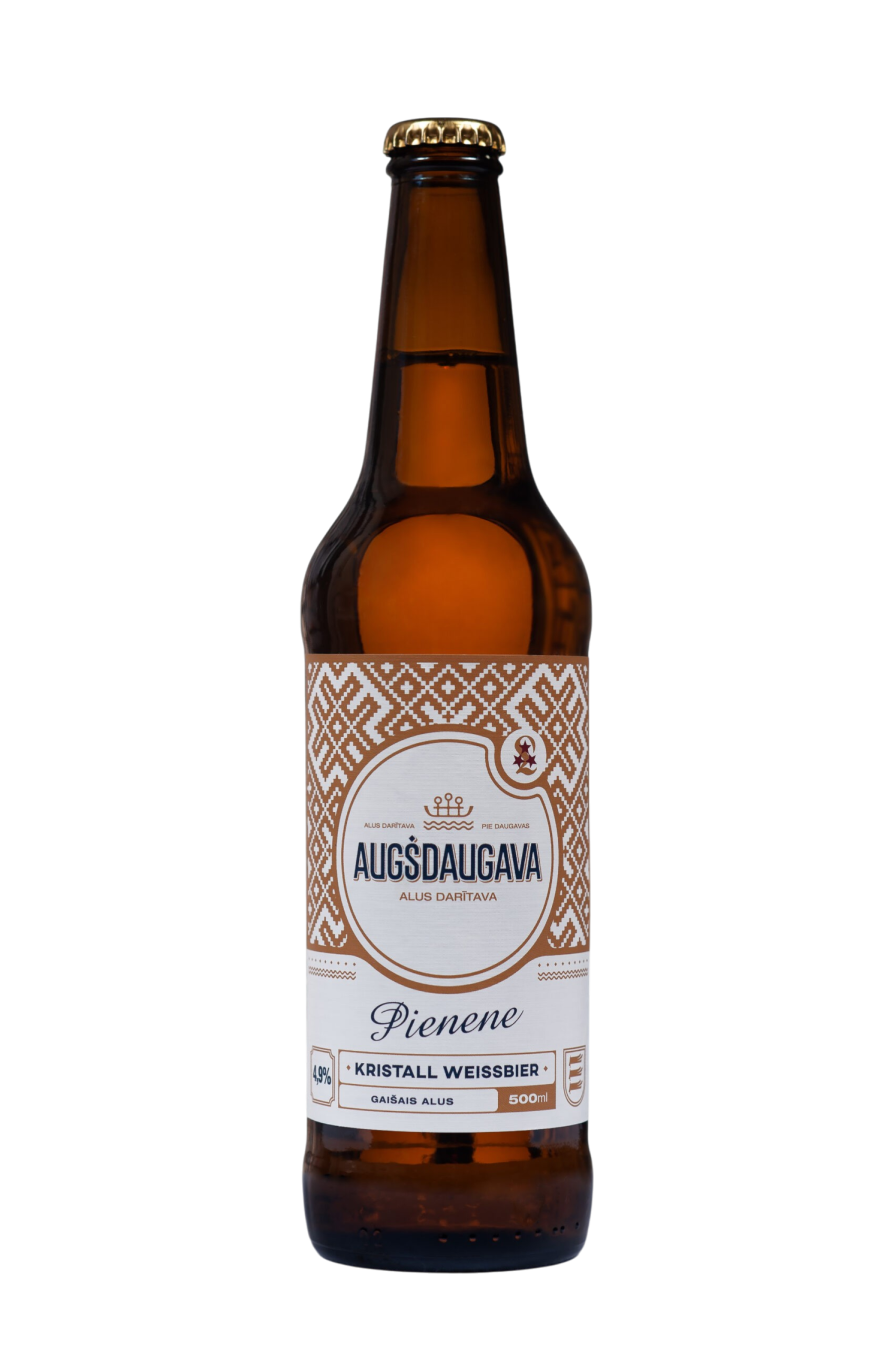
Pienene
In the following centuries, wheat beer became increasingly popular, especially in Bavaria, where it was produced in various varieties, such as weissbier, crystal weissbier, and others. Today, wheat beer is well-known and popular worldwide; many breweries produce it in various versions and styles. Dandelion Kristal Weissebier is a filtered weissbier. In its production, the already brewed unfiltered beer is aged in tanks for two to four months before filtering, as pre-filtration of the beer is simply not possible.
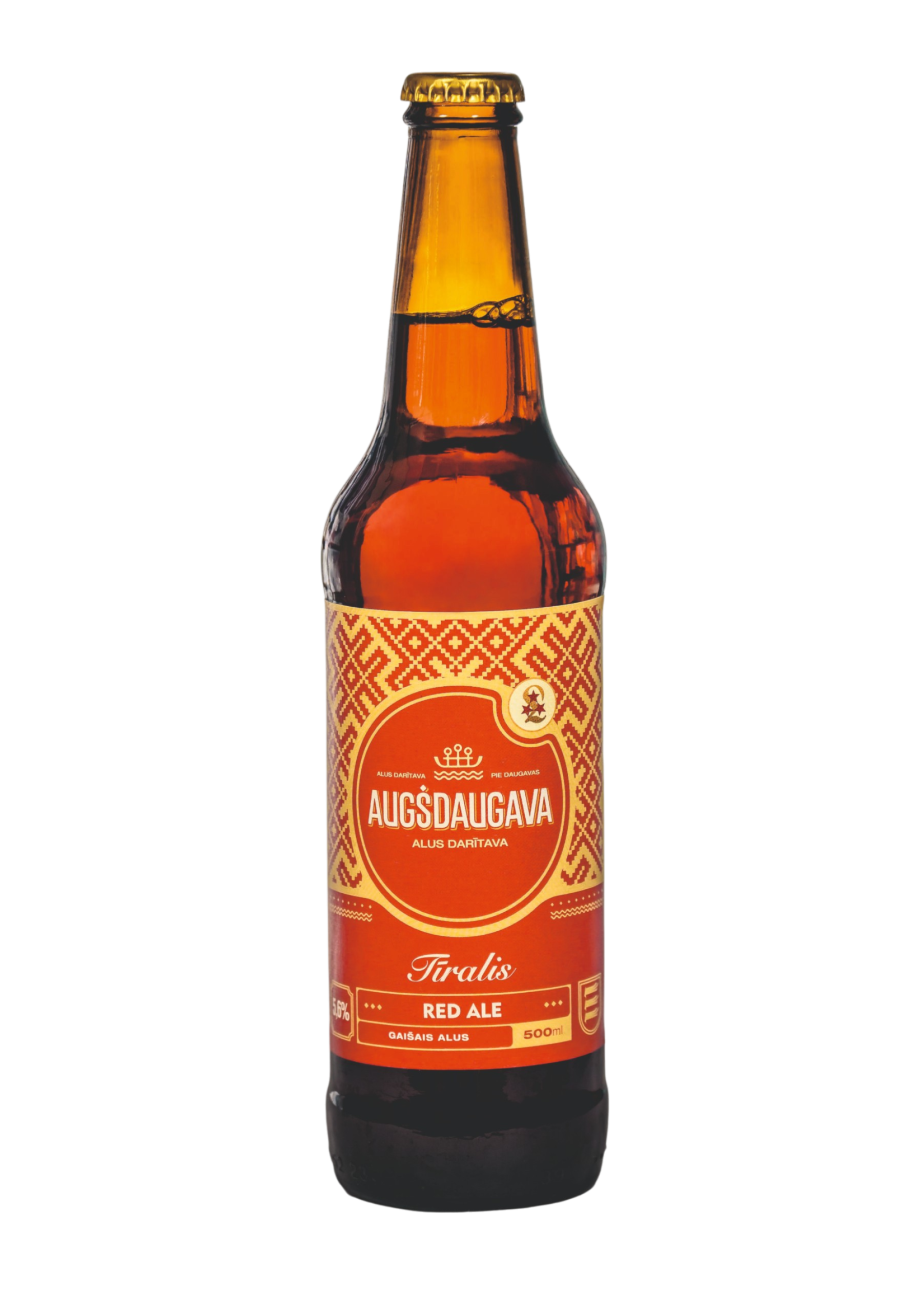
Tīralis—American Amber Ale
A filtered, top-fermented beer with a ruby-red color, pronounced caramel and malt notes, a vibrant bitterness, and a hoppy aroma thanks to the American Amarillo hop variety. Historically known as "Red Ale" in some regions of the United States, it was originally popular among hoppy beer lovers in Northern California and the Pacific Northwest, later gaining popularity nationwide.
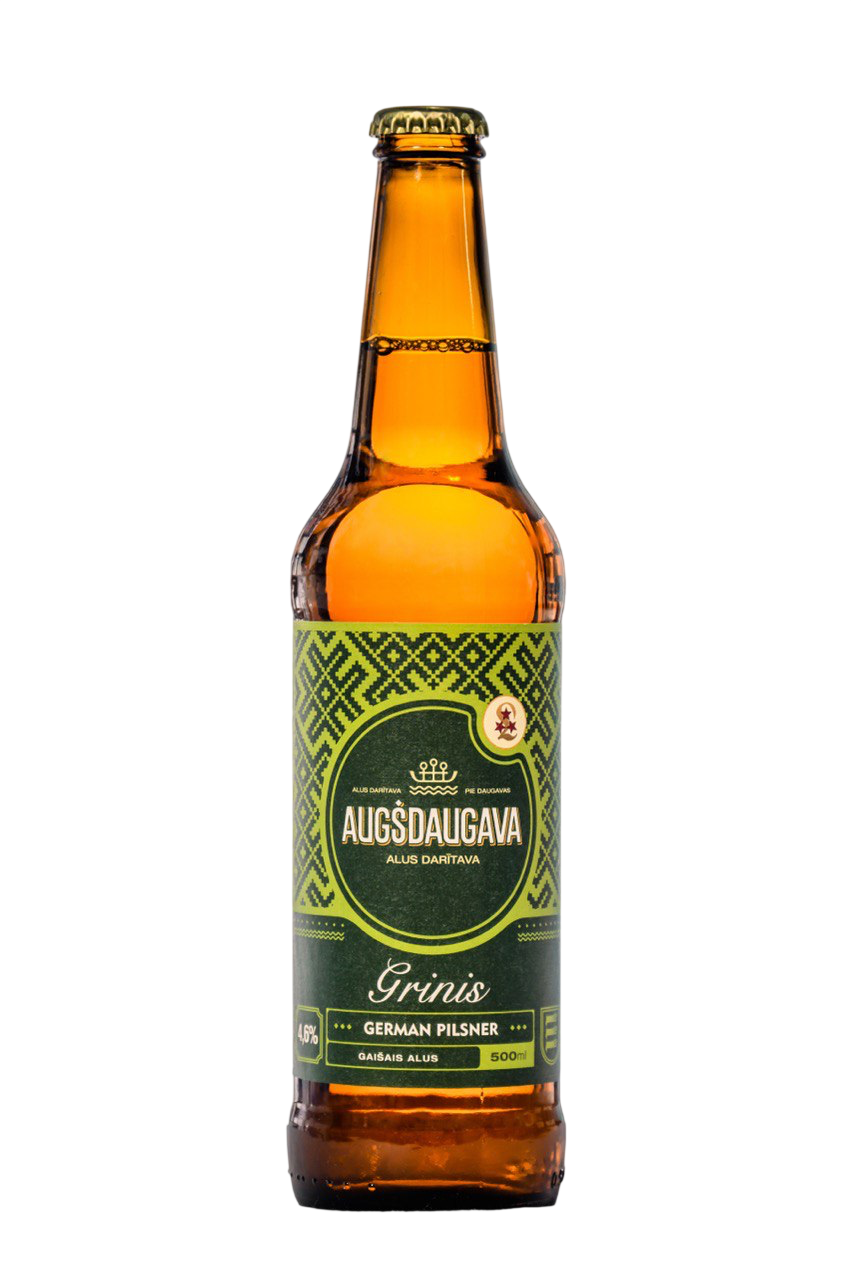
Grinis
This superb beer is brewed according to German brewing traditions. It has a light hoppy bitterness and will satisfy even the most discerning beer connoisseurs.
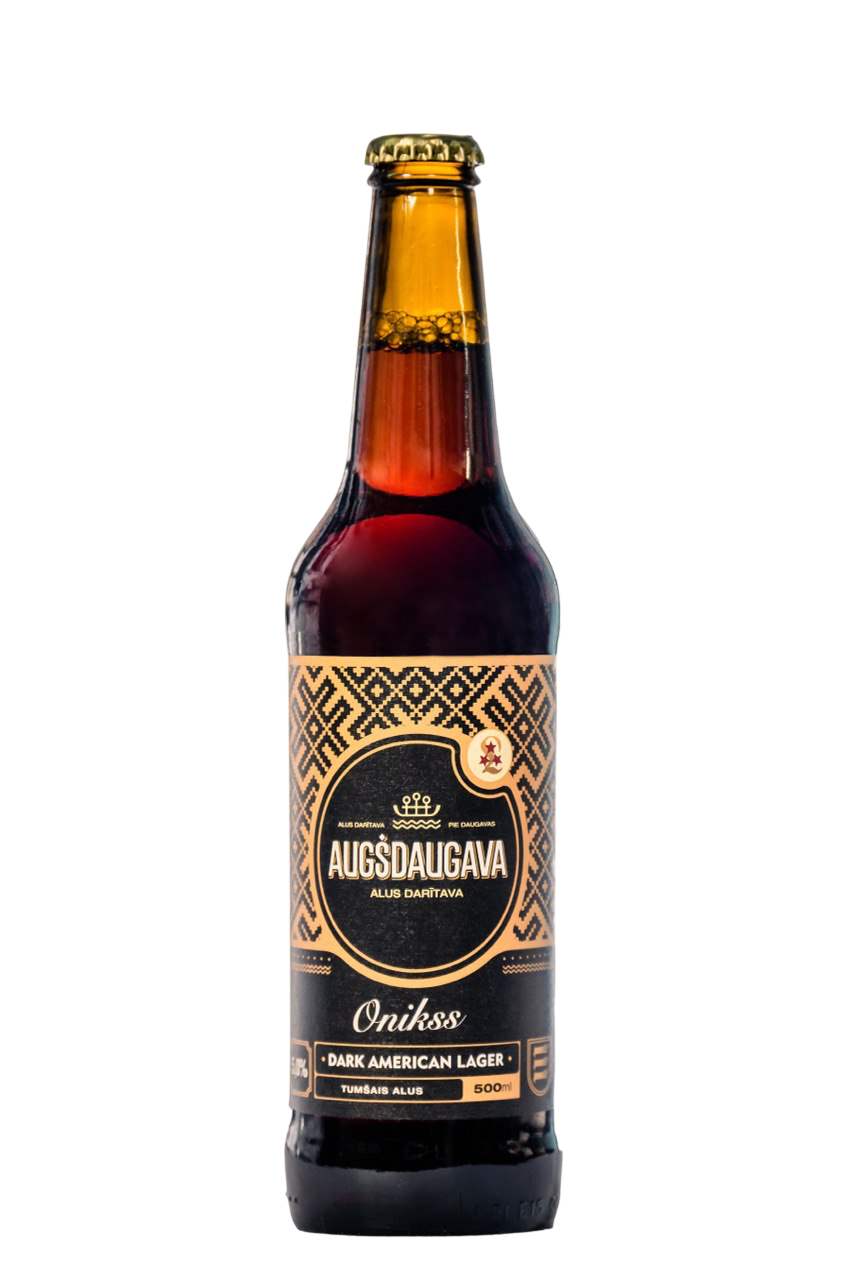
Onikss
A dark beer with a thick, compact head and a pronounced bread aroma. Made from selected malt and some hop varieties.
Ideal with hard and ripened cheeses, meat dishes and shrimp. In moderate quantities, it is healthy, as it contains minerals and B vitamins.
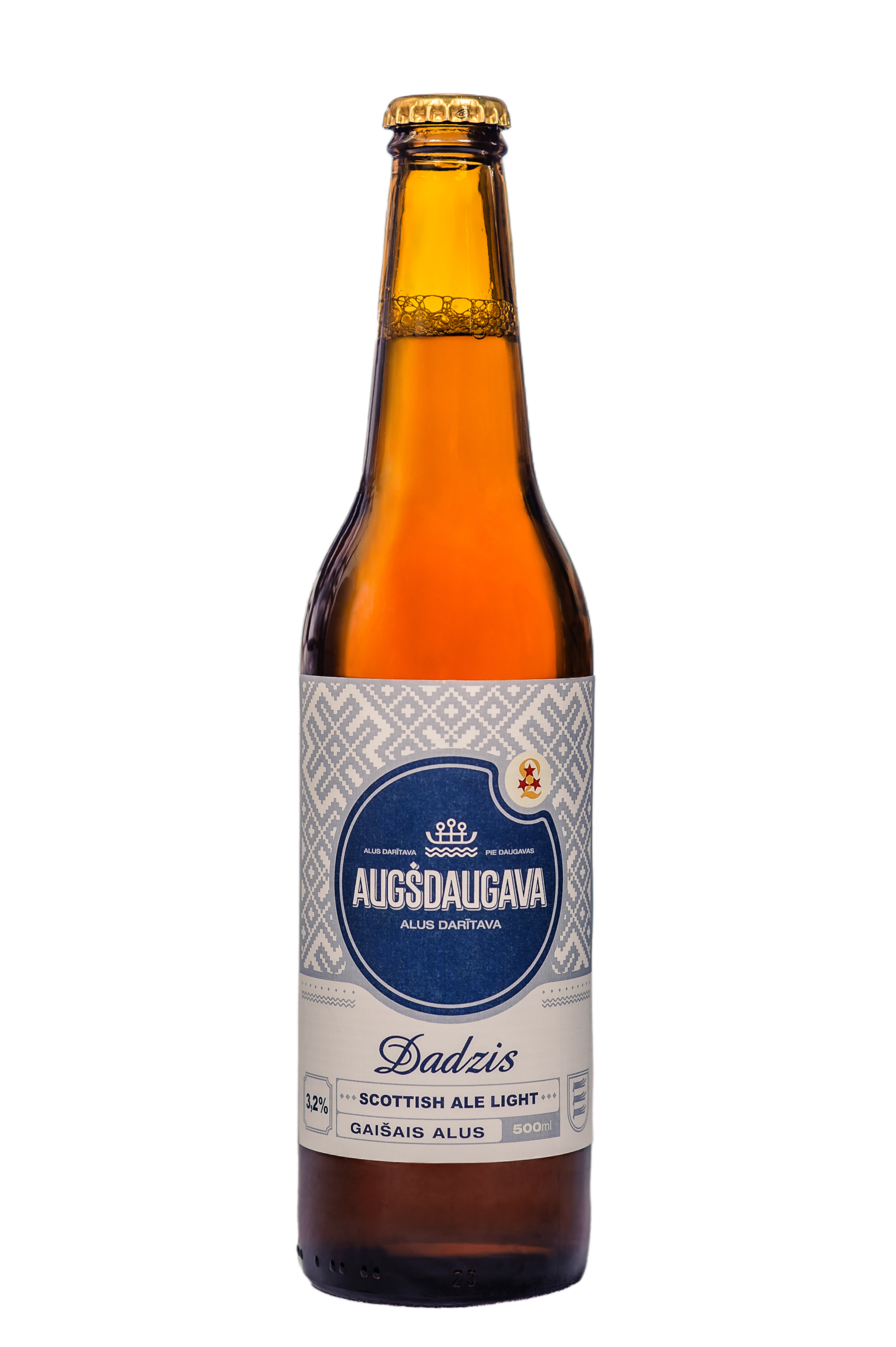
Dadzis – Scottish Ale Light
Scottish ale is a style that combines rich history and unique flavour qualities, making it a valuable and interesting part of beer culture.
A light malt beer with a dark honey colour and delicate caramel and toffee notes. The hop bitterness is minimal, and the taste remains refreshing.
It goes well with grilled meat, barbecue and mature cheeses.

Main Ingredient
Water is the key ingredient in beverage production. The quality of a beverage depends on the quality of the water. We use water from artesian wells at depths of 25 to 30 meters. The water is naturally purified, and its high quality is confirmed by laboratory testing.
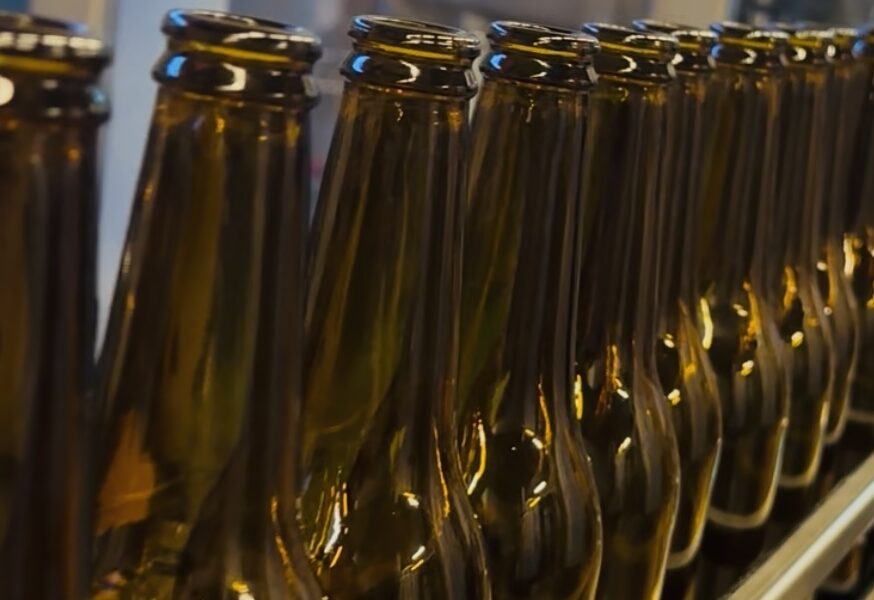
Packaging Used
We use recyclable, single-use glass bottles when bottling beer. This guarantees the high quality and purity of our beverage. Secondary packaging is made of recycled corrugated cardboard. Environmental protection and waste reduction are among our priorities.
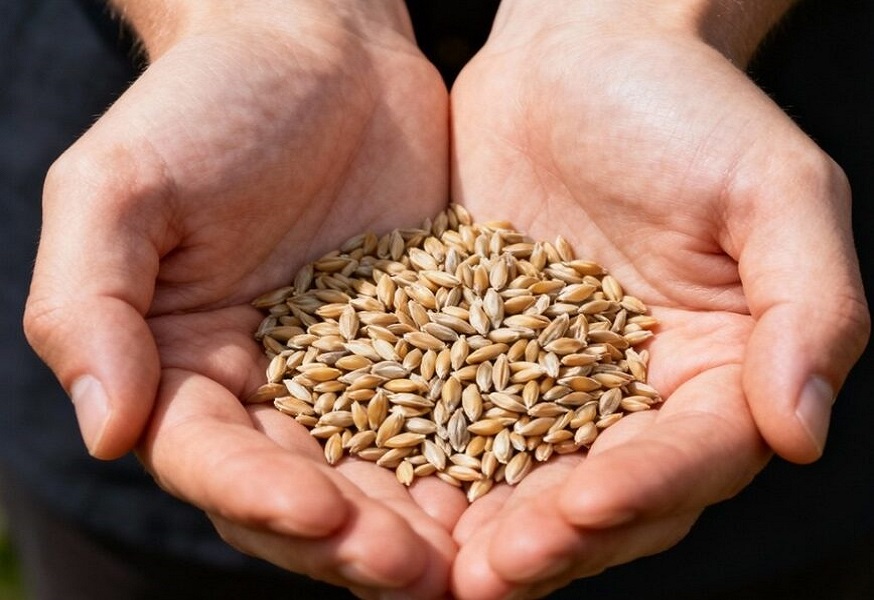
Raw Materials Used
We use local raw materials. We purchase all the base malts needed for beer production from Latvian producers and farmers. In this way, we make our small contribution to the development of the Latvian economy.